










Fire extinguishers are only useful if people can reach them quickly during an emergency. That’s why NFPA 10, the standard for portable fire extinguishers, includes specific rules for where extinguishers should be located in a building. The goal is simple: make sure extinguishers are visible, accessible, and close enough to stop a small fire before it grows.
Here’s an easy breakdown of the basics.
1. Extinguishers Must Be Easy to See and Reach
NFPA 10 requires extinguishers to be:
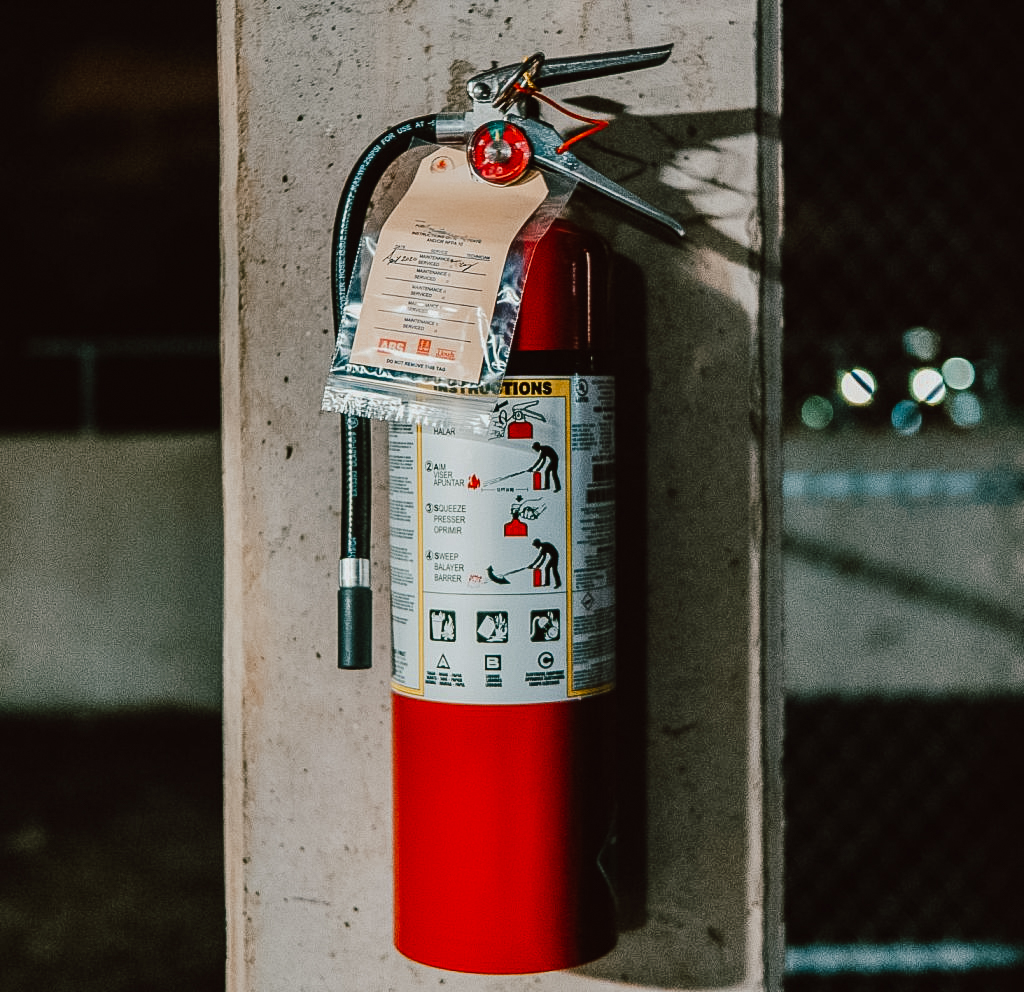
- Mounted on brackets, cabinets, or wall hooks
- Clearly visible (no hiding behind furniture or boxes)
- Easy to access without moving obstacles
In an emergency, no one should have to hunt for an extinguisher.
2. Follow the Correct Travel Distances
Different fire hazards require different placement distances. NFPA 10 uses “travel distance” how far a person needs to walk to reach an extinguisher.
General guidelines:
- Class A hazards (ordinary combustibles)
→ Maximum 75 ft travel distance - Class B hazards (flammable liquids)
→ Typically 30–50 ft travel distance, depending on the hazard level - Class C hazards (electrical equipment)
→ No specific distance, but extinguishers must be located based on the surrounding Class A or B hazard
(Electrical fires themselves don’t dictate distance) - Class D hazards (combustible metals)
→ Usually within 75 ft
(Specialty areas like machine shops) - Class K hazards (commercial cooking oils)
→ Maximum 30 ft from cooking equipment
These distances ensure employees don’t have to cross a dangerous area to get an extinguisher.
3. Install at the Right Height
To keep extinguishers easy to grab, NFPA 10 limits how high they can be mounted:
- Top of the extinguisher: no more than 5 ft above the floor
- Heavy extinguishers (over 40 lbs): top no higher than 3.5 ft
- Bottom of the extinguisher: at least 4 inches off the floor
This makes them reachable for most people.
4. Choose Locations People Naturally Pass
NFPA 10 stresses placing extinguishers where people spend time or walk through, such as:
- Near exits
- In hallways
- In break rooms
- Next to kitchens or cooking equipment
- Inside mechanical or electrical rooms
- Near fuel storage or flammable liquid areas
Placing extinguishers near exits is especially smart.
5. Match Extinguishers to the Hazard
The type of hazard dictates the type of extinguisher you need:
- Office areas → ABC or water
- Kitchens → Class K
- Machine shops → Class D
- Server rooms → Clean agent or CO₂
- Flammable liquid storage → Class B-rated units
Every extinguisher must match the fire risks in the area.
Final Thoughts
NFPA 10’s placement rules are designed to put the right extinguisher in the right place — visible, accessible, and within reach when seconds matter. Proper placement doesn’t just keep you compliant; it keeps people safe.