





Fire Suppression and Special Hazard Systems
Rapid, Residue-Free Clean Agent Systems for Sensitive Environments
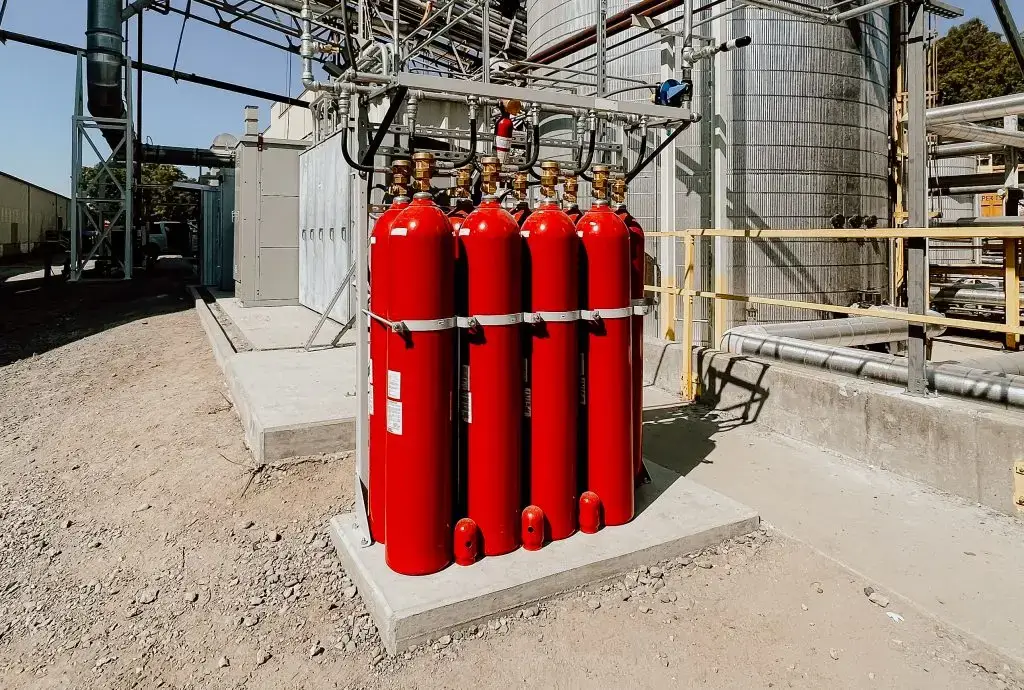
Special hazard & clean agent systems are required for environments such as data centers, medical labs, and museums that won’t damage sensitive equipment. Our clean agent solutions extinguish fires without water, smoke, or residue, making them ideal for protecting high-value assets. Each system is custom-engineered for your application.
System options include:
- FM-200, NOVEC 1230
- Custom-engineered discharge patterns
- No water damage
- Applications in server rooms, labs, museums, and archives
Hybrid Fire Suppression Systems: Tailored for Diverse Applications
Enhanced Suppression Effectiveness Across Fire Types: Hybrid systems combine water mist and clean gaseous agents to rapidly cool fires and displace oxygen, effectively tackling Class A (ordinary combustibles), Class B (flammable liquids), and Class C (electrical) fires with superior efficiency compared to single-agent systems.
Minimal Water Usage and Reduced Property Damage: Utilizing a fine water mist greatly reduces overall water discharge, minimizing water damage to sensitive equipment and property—ideal for data centers, museums, and high-value asset environments.
Environmentally Friendly and Safe for Occupants: Hybrid systems typically use clean agents with low global warming potential and zero ozone depletion potential, ensuring fire suppression is both eco-conscious and non-toxic for people present during activation.
Fast, Reliable Fire Extinguishment and Re-ignition Prevention: The combination of cooling from water mist and oxygen displacement from gas leads to rapid fire suppression and lowers the chances of re-ignition, improving safety and reducing downtime.
Customizable and Adaptable to Various Environments: These systems can be tailored for diverse applications, from industrial plants to offshore platforms, optimizing fire protection for unique risks, infrastructure constraints, and regulatory requirements.
Why Choose Guardian for Fire Suppression and Special Hazard Services?
Here are Some of The Reasons You Can Trust Guardian Fire Services
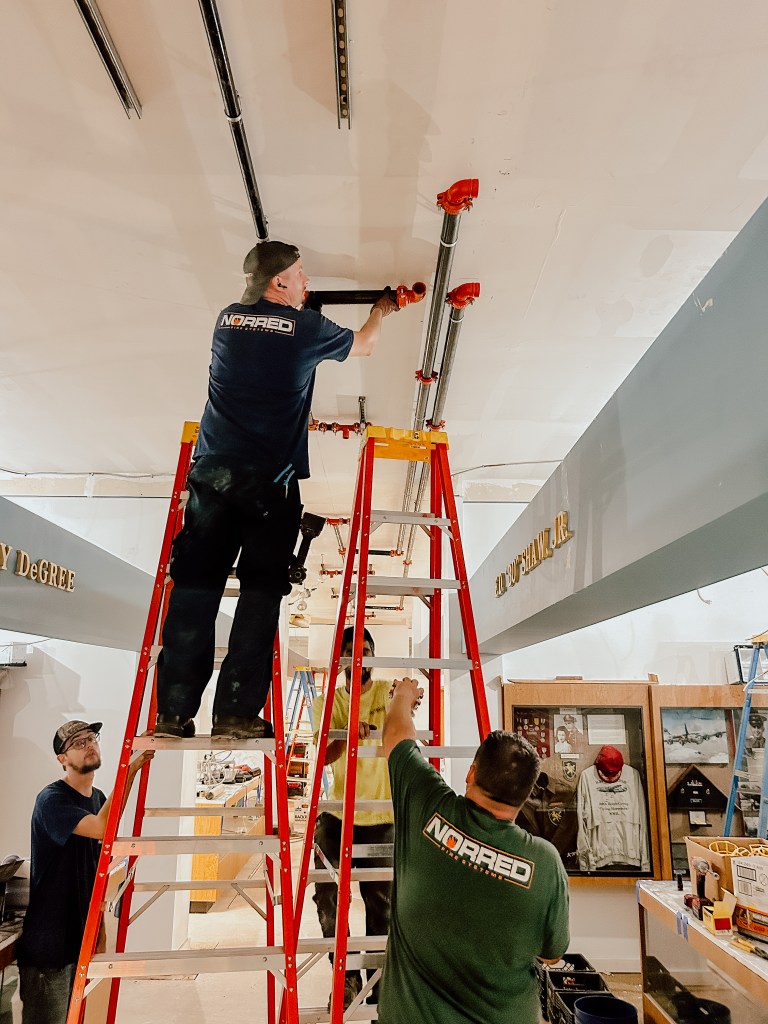
We design fire suppression solutions that match the specific hazards in your building—using standard NFPA sprinkler systems for general protection and special-hazard technologies (clean agents, foam, dry/CO₂, water mist, and kitchen systems) where water could be ineffective or damaging.
We engineer special‑hazard systems for rapid detection and discharge so the suppression agent reaches the required concentration at the fire within seconds and meets NFPA design criteria.
We verify that enclosures and system interfaces for total-flooding applications perform as intended—controlling leakage, managing over- and under-pressure, and coordinating with HVAC and openings—so the agent remains in place long enough to prevent re-ignition.
We integrate special‑hazard systems into your overall fire protection strategy, aligning them with sprinklers; fire alarm release/abort and shutdown sequences; and egress procedures, so every system works together without compromising another.
We explicitly address both life safety and asset protection by evaluating occupant exposure limits, environmental considerations, and equipment sensitivity when selecting between clean agents, water mist, foam, or other suppression technologies.
We maintain rigorous inspection, testing, and training programs so detection devices, releasing mechanisms, cylinders and tanks, and interlocks operate as designed—and so your staff understands when activation occurs and how these systems interact with your sprinkler infrastructure.
Together, these capabilities make Guardian Fire Services a smart choice for your fire suppression and special‑hazard protection needs
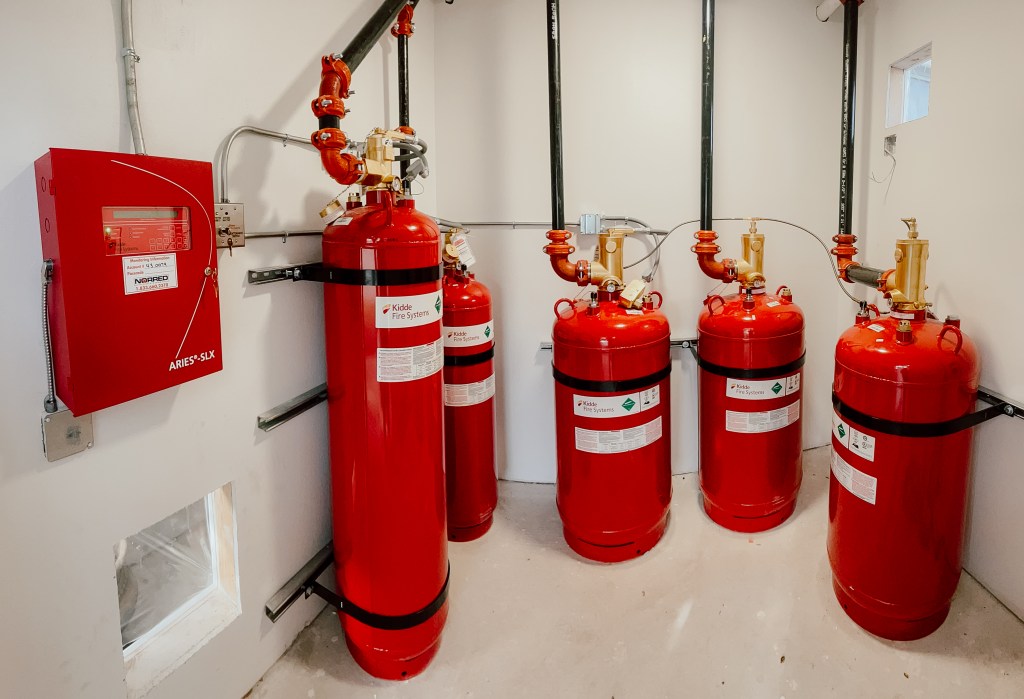
Superior Multi-Fire Protection with Rapid, Targeted Suppression
For environments where neither traditional sprinklers nor gas systems alone are enough, hybrid suppression offers the best of both worlds. These systems use water mist combined with inert gas to suppress fires quickly and safely, reducing cleanup and damage in sensitive or high-risk spaces.
Why choose hybrid systems:
- Safe for use around electronics and machinery
- Reduced water usage and faster cleanup
- Certified for multiple fire classes (A, B, C)
- Advanced control panels and detection systems
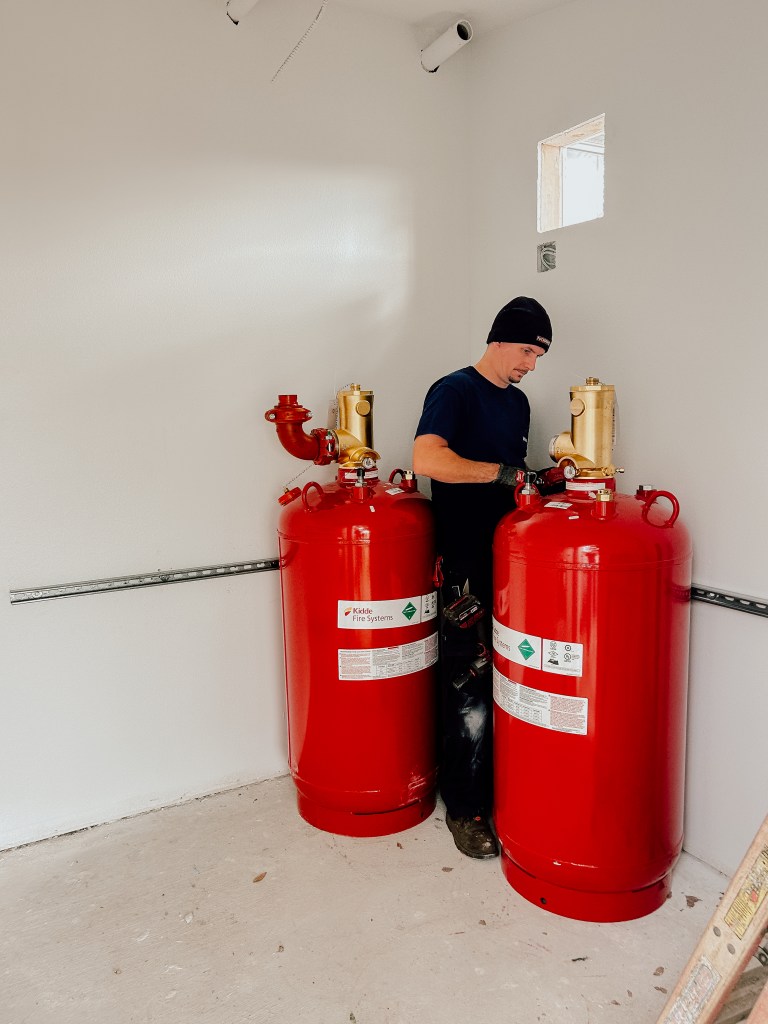
Limit Damage and Increase Occupant Safety With Special Hazard & Clean Agent Systems
Rapid and Effective Fire Suppression Without Water Damage: These systems quickly extinguish fires using clean, gaseous agents that leave no residue or moisture, protecting sensitive equipment, electronics, documents, and valuable assets from collateral damage common with sprinkler systems.
Safe for Occupants and Environmentally Responsible: Safe for Occupants When Properly Engineered: Halocarbon and inert gas clean agents such as FM-200 and FK-5-1-12 are EPA SNAP-listed as acceptable for use in normally occupied spaces when designed to NFPA 2001—meaning design concentrations stay within established exposure limits and egress times. These agents leave no residue and won’t corrode equipment. CO₂ systems are the exception: under NFPA 12, total flooding CO₂ is not permitted in normally occupied enclosures without lockout valves, pre-discharge alarms, and time delays because CO₂ at total-flooding concentrations is lethal. We specify the agent to match both the hazard and the occupancy.
Minimizes Business Downtime and Cleanup Costs: Because clean agent systems leave no harmful residue or water damage, facilities can resume normal operations almost immediately after activation, significantly reducing costly downtime and expensive restoration efforts.
Custom-Engineered for Special Hazard Environments: These systems are designed to protect unique or high-value spaces such as data centers, museums, laboratories, medical facilities, and control rooms where water-based suppression is unsuitable or risky.
Fast Detection and Suppression for Enhanced Safety: Integrated advanced detection technology triggers rapid agent discharge within seconds, interrupting the fire’s chemical reaction promptly to limit damage and increase occupant safety by reducing fire and smoke exposure.
Commonly Asked Questions About Fire Suppression and Special Hazard Systems
How do hybrid systems work?
Are they suitable for commercial kitchens?
What’s the cost compared to traditional systems?
Are hybrid systems safe for occupied spaces?
Safe for Occupants When Properly Engineered: Halocarbon and inert gas clean agents such as FM-200 and FK-5-1-12 are EPA SNAP-listed as acceptable for use in normally occupied spaces when designed to NFPA 2001 — meaning design concentrations stay within established exposure limits and egress times. These agents leave no residue and won’t corrode equipment. CO2 systems are the exception: under NFPA 12, total flooding CO2 is not permitted in normally occupied enclosures without lockout valves, pre-discharge alarms, and time delays, because CO2 at total-flooding concentrations is lethal. We specify the agent to match both the hazard and the occupancy.
What maintenance and testing are required for hybrid systems?
Maintenance and testing required for hybrid fire suppression systems include: pre-shift inspections, monthly inspections by certified technicians, semiannual system recertification, and regular interval testing or replacement of components such as nozzles and storage cylinders. Documentation of all inspections and maintenance is essential for compliance with NFPA guidelines. Hydrostatic testing or component replacement is required if corrosion or damage exceeds manufacturer limits
What industries use clean agent systems?
Are clean agents safe for people?
It depends on the hazards in your building. We help you choose the correct class and quantity for full compliance.
Is there any residue or cleanup after discharge?
What environments or industries most commonly need these systems?
Common environments needing special hazard and clean agent systems: data centers, electrical rooms, museums, hospitals, chemical plants, aircraft hangars, and industrial sites with sensitive assets or flammable materials.
How do detection technologies (like air sampling and visual detectors) integrate with suppression?
Detection technologies like air sampling and visual detectors provide very early warnings by sensing smoke or fire indicators at their earliest stages. These early signals are integrated with the fire suppression system control panels to either initiate alarms or prepare the suppression system for activation. This staged approach allows time for verification or manual intervention before releasing the suppression agent, reducing false activations and damage.
Service Considerations
- Use special‑hazard and clean agent systems where standard sprinklers won’t work well or would cause major damage—data centers, control rooms, telecom, museums, high‑value production lines, or flammable liquid areas.
- NFPA standards for clean agents, CO₂, foam, water mist, and kitchen systems specify which technology fits which hazard, and how much agent, how fast, and under what conditions it must discharge, so a formal hazard analysis is essential before choosing a system.
- Codes, insurers, or risk engineers often require these systems for critical electronics, high‑value equipment, flammable liquid storage/transfer, or processes where you need very fast knock‑down without water to protect life, assets, and uptime.
- Special‑hazard systems must be engineered by qualified designers to meet strict rules on detection speed, agent concentration, room tightness, safety interlocks, and coordination with sprinklers, alarms, HVAC, and egress so everything works together.
- NFPA requires regular inspection, testing, and maintenance of detectors, releasing circuits, cylinders, enclosure integrity, and shutdowns, plus staff training so people know when systems activate, what to do during a discharge, and how these systems interact with building sprinklers and life‑safety systems.
Explore Our Full Range of Services
Not All Services Are Available In All Areas
Got More Questions?