













Emergency Lighting
Code-Compliant Illumination to Avoid Penalties and Ensure Safety
A functioning emergency lighting system is essential for safe evacuation during power loss or fire. Guardian installs and maintains code-compliant systems that ensure visibility in corridors, stairwells, and exits. We help you meet OSHA and NFPA life safety codes with reliable and energy-efficient lighting solutions.
Our services include:
- Maintain, inspect and replace exit and egress lighting
- Monthly functionality checks and battery tests
- Code updates and sign visibility improvements
- Photoluminescent and LED options available

Why Choose Guardian for Emergency Lighting?
Here are Some of The Reasons You Can Trust Guardian Fire Services
Protecting People—and Your Liability
Power failures, fires, and emergencies create chaos. If exit paths are not clearly lit and marked, the risk of injuries, lawsuits, and regulatory penalties rises sharply. Our emergency lighting and exit sign solutions help you protect occupants while reducing your exposure to life safety liability.
Demonstrable Duty of Care
We ensure emergency lighting automatically activates during a power loss and illuminates the entire path of egress—corridors, stairs, ramps, and exit discharge—so occupants can evacuate safely. Systems are configured to reach code-required light levels within seconds and provide a minimum of 90 minutes of illumination, helping you demonstrate that reasonable precautions were taken.
Clear Exits, Reduced Risk
Poorly marked or unreadable exits are a common factor in post-incident claims. We install high-visibility exit signs that remain continuously illuminated, easily legible, and clearly distinguishable along the route in both normal and emergency conditions. When the way out is obvious, you reduce confusion, panic, and the likelihood of “failure to provide safe egress” allegations.
Resilient Power and Code Alignment
We power emergency fixtures and exit signs from approved emergency sources—battery units, central battery systems, or generators—and ensure they are wired so a single fault in normal circuits cannot disable your emergency lighting. This level of redundancy supports both code compliance and a strong defensible position if your life safety systems are ever scrutinized after an event.
Documented Testing for Regulatory Defense
Regulators, insurers, and plaintiff attorneys all look for proof. We perform regular functional checks and annual 90‑minute tests, maintain clear documentation, and promptly repair or replace underperforming units. That record of proactive testing and maintenance becomes a powerful asset in inspections, audits, insurance reviews, and any post-incident investigations.
These are exactly some of the reasons Guardian Fire Services is the trusted choice for Fire Services for Emergency Lighting
Emergency Lighting: A Proactive Commitment to Safety
Ensures safe, visible evacuation routes during power outages or fires, greatly reducing the risk of injuries and fatalities.
Minimizes panic by providing clear, illuminated exit paths in smoke-filled or dim environments, helping occupants maintain calm and move swiftly to safety.
Complies with local and national fire safety codes, preventing costly fines and ensuring building certification and insurance compliance.
Assists emergency services by marking exits, stairwells, and critical areas, speeding up response and rescue operations.
Protects business continuity by reducing liability risks and demonstrating a proactive commitment to the safety of employees, customers, and visitors.
Commonly Asked Questions About Emergency Lighting
Why is emergency lighting important in commercial buildings?
Emergency lighting ensures safe evacuation by providing illumination during power failures or emergencies. It helps building occupants find exits and navigate escape routes quickly and safely, reducing panic and risk of injury.
Are emergency lights mandatory?
Can I upgrade to energy-efficient lighting?
Is emergency lighting required in all facilities?
Yes, most commercial, industrial, and public buildings are required by law to have emergency lighting installed for all exit routes and pathways. Requirements are outlined by NFPA, OSHA, and local building codes.
Service Considerations
- Most commercial and industrial buildings must have emergency and exit lighting anywhere people might need to evacuate—hallways, stairs, ramps, and exit paths.
- Emergency lights must automatically turn on when normal power fails, get bright quickly, and stay on long enough (typically 90 minutes) to let people get out safely, so regular testing is required.
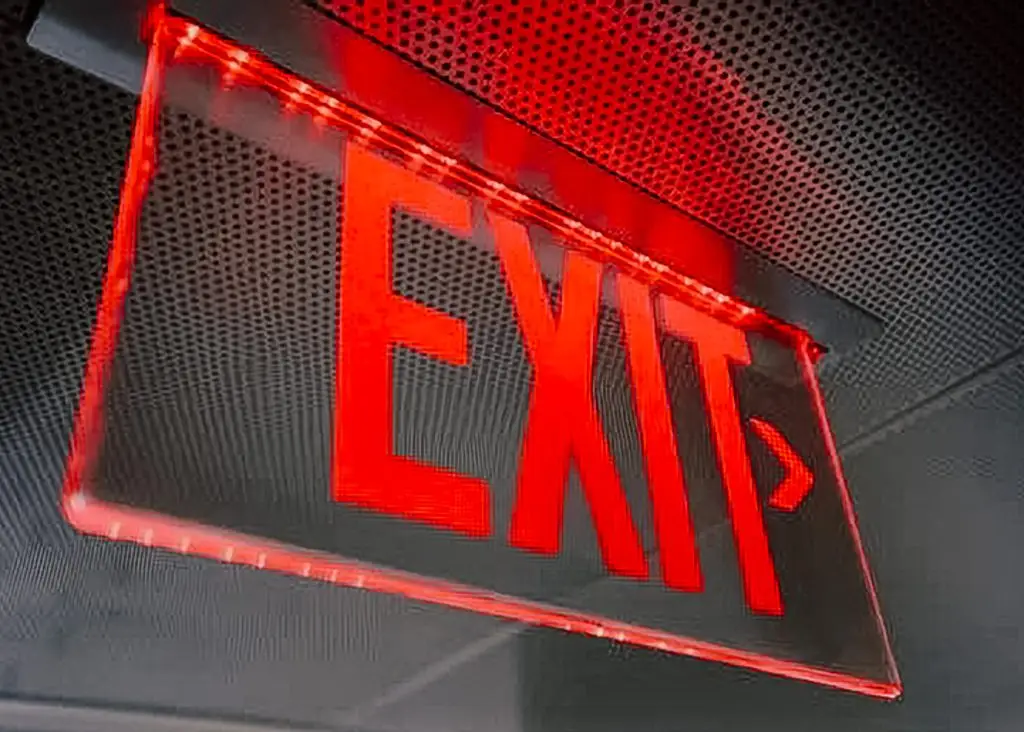
- Exit signs must stay lit, be easy to see and read from the path of travel, and clearly mark the way out under both normal and emergency power.
- Emergency lights and exit signs must be connected to approved backup power (unit batteries, central battery systems, or generators) and wired so a single fault doesn’t leave exit routes in the dark.
- Codes and best practices call for quick monthly checks and a full 90‑minute annual test, with any failed units, batteries, or lamps repaired or replaced and results documented.
Explore Our Full Range of Services
Not All Services Are Available In All Areas
Got More Questions?