












Where Should Fire Extinguishers Be Placed? A Simple Guide to NFPA 10

Fire extinguisher placement, NFPA 10
Fire extinguisher placement guide, fire extinguisher

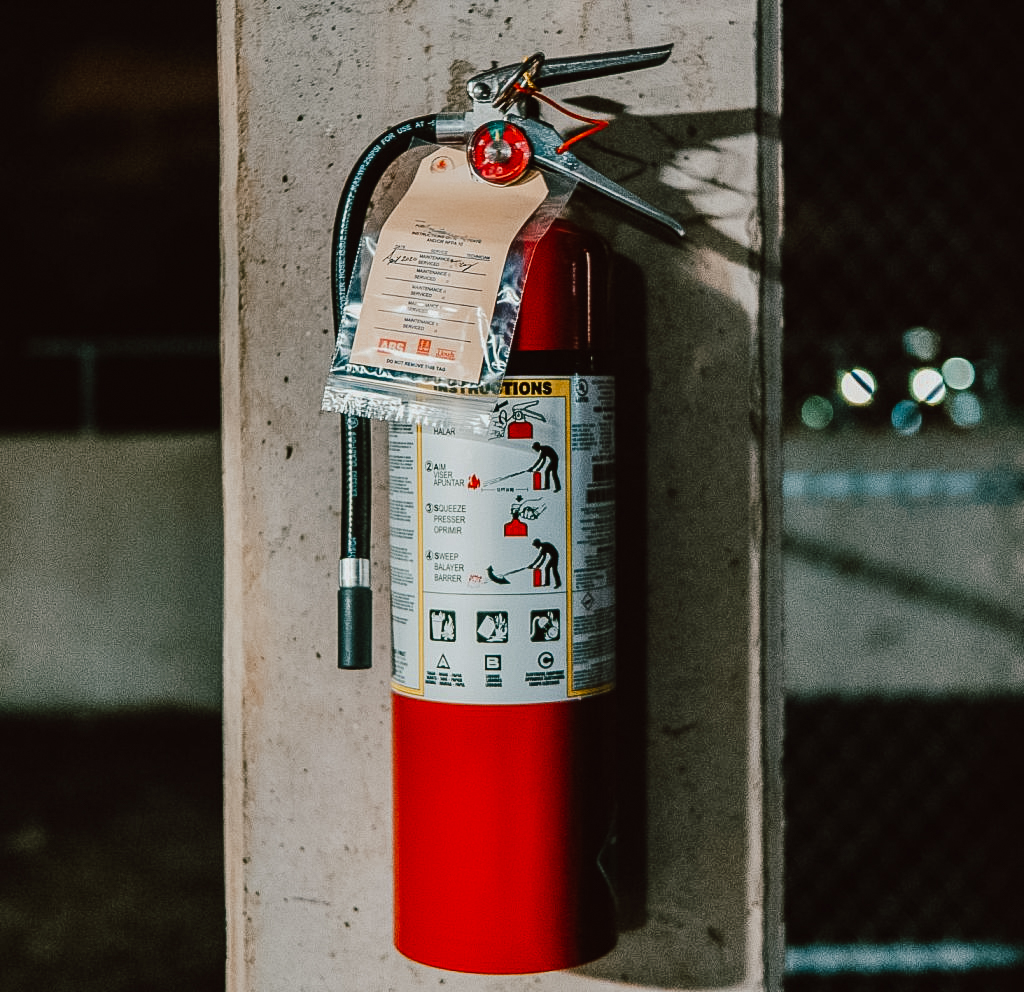
Fire extinguishers are only useful if people can reach them quickly during an emergency. That’s why NFPA 10, the standard for portable fire extinguishers, includes specific rules for where extinguishers should be located in a building. The goal is simple: make sure extinguishers are visible, accessible, and close enough to stop a small fire before it grows.

Here’s an easy breakdown of the basics.

1. Extinguishers Must Be Easy to See and Reach

NFPA 10 requires extinguishers to be:

  • Mounted on brackets, cabinets, or wall hooks
  • Clearly visible (no hiding behind furniture or boxes)
  • Easy to access without moving obstacles

In an emergency, no one should have to hunt for an extinguisher.

2. Follow the Correct Travel Distances

Different fire hazards require different placement distances. NFPA 10 uses “travel distance” how far a person needs to walk to reach an extinguisher.

General guidelines:

  • Class A hazards (ordinary combustibles)
    → Maximum 75 ft travel distance
  • Class B hazards (flammable liquids)
    → Typically 30–50 ft travel distance, depending on the hazard level
  • Class C hazards (electrical equipment)
    → No specific distance, but extinguishers must be located based on the surrounding Class A or B hazard
    (Electrical fires themselves don’t dictate distance)
  • Class D hazards (combustible metals)
    → Usually within 75 ft
    (Specialty areas like machine shops)
  • Class K hazards (commercial cooking oils)
    → Maximum 30 ft from cooking equipment

These distances ensure employees don’t have to cross a dangerous area to get an extinguisher.

3. Install at the Right Height

To keep extinguishers easy to grab, NFPA 10 limits how high they can be mounted:

  • Top of the extinguisher: no more than 5 ft above the floor
  • Heavy extinguishers (over 40 lbs): top no higher than 3.5 ft
  • Bottom of the extinguisher: at least 4 inches off the floor

This makes them reachable for most people.

4. Choose Locations People Naturally Pass

NFPA 10 stresses placing extinguishers where people spend time or walk through, such as:

  • Near exits
  • In hallways
  • In break rooms
  • Next to kitchens or cooking equipment
  • Inside mechanical or electrical rooms
  • Near fuel storage or flammable liquid areas

Placing extinguishers near exits is especially smart.

5. Match Extinguishers to the Hazard

The type of hazard dictates the type of extinguisher you need:

  • Office areas → ABC or water
  • Kitchens → Class K
  • Machine shops → Class D
  • Server rooms → Clean agent or CO₂
  • Flammable liquid storage → Class B-rated units

Every extinguisher must match the fire risks in the area.

Final Thoughts

NFPA 10’s placement rules are designed to put the right extinguisher in the right place — visible, accessible, and within reach when seconds matter. Proper placement doesn’t just keep you compliant; it keeps people safe.

Understanding Annual Fire Extinguisher Maintenance (What NFPA 10 Requires)

Annual fire extinguisher maintenance, NFPA 10, fire extinguisher

Most people know that fire extinguishers need a quick monthly inspection, but fewer realize that NFPA 10 also requires a thorough annual maintenance check. This yearly service goes far beyond looking at gauges and seals, it ensures that every extinguisher on your property is fully functional, safe, and compliant.

If you’re responsible for building safety, here’s what you need to know.

What Is Annual Maintenance

Annual maintenance is a complete, detailed examination of each fire extinguisher performed once every 12 months. Unlike monthly inspections, this work must be done by a trained and certified fire protection technician.

The purpose is to confirm that the extinguisher:

  • Is mechanically sound
  • Is fully charged
  • Will operate as designed
  • Meets all NFPA 10 and manufacturer requirements

Annual maintenance also resets the clock for hydrostatic testing, internal inspections, and replacement schedules.

What Does the Technician Check?

During annual maintenance, the technician performs a deep dive into the extinguisher’s condition, including:

1. Mechanical parts

  • Trigger and handles
  • Safety pin and tamper seal
  • Valve assembly
  • Neck rings and threads
  • External corrosion, dents, or impact damage

Everything must be functional and free of defects.

2. The extinguishing agent

Depending on the type of extinguisher, this may include:

  • Checking the condition of the dry chemical
  • Weighing CO₂ or clean-agent units
  • Confirming proper agent levels
  • Ensuring no caking, hardening, or settling

If any agent is compromised, the extinguisher must be emptied, serviced, and recharged.

3. Pressure and integrity

  • Gauge accuracy
  • Shell integrity
  • Verification of proper pressure
  • Leak testing if necessary

This ensures the extinguisher will deliver agent as intended.

4. Hose, nozzle, and discharge components

Technicians check that:

  • Hoses are free of cracks or blockages
  • Nozzles are clean and unobstructed
  • O-rings and gaskets are in good condition

A compromised discharge path can render an extinguisher useless.

When Is Internal Maintenance Required?

Some extinguishers must be opened, emptied, and internally inspected on specific schedules (often every 5 or 6 years), depending on the model. NFPA 10 sets these intervals for:

  • Dry chemical extinguishers
  • Stored-pressure extinguishers
  • Cartridge-operated extinguishers
  • Clean agent units

The annual visit is when the technician checks whether an extinguisher is due for internal service or hydrostatic testing.

Hydrostatic Testing Checks

During annual maintenance, the technician confirms whether cylinders are approaching their required hydrotest date. This ensures extinguishers aren’t kept in service past safe pressure-vessel limits.

Tagging and Documentation

After the maintenance is complete, the technician updates the extinguisher with:

  • A new maintenance tag showing date and technician credentials
  • Any required service labels (e.g., recharge, hydrotest, internal exam)
  • Notes on deficiencies and corrective actions

Proper documentation keeps your facility compliant and protects you during inspections or audits.

Why Annual Maintenance Matters

Even if an extinguisher looks fine, hidden problems can make it fail when needed most. Annual maintenance:

  • Guarantees compliance with NFPA 10 and local fire codes
  • Ensures extinguisher reliability in an emergency
  • Identifies aging or unsafe pressure vessels
  • Helps confirm proper placement and accessibility

It’s a small investment that can prevent catastrophic loss.

Final Thoughts Annual maintenance is not just a recommendation, it’s a requirement that plays a major role in life safety. Partnering with a qualified fire protection company ensures your extinguishers are ready for action and your facility stays code-compliant year-round.