










For decades, fire protection has relied on manual inspections, conventional detectors, and labor-intensive systems. As the Internet of Things (IoT) emerges in the building and fire safety industry, adopting IoT applications is changing the landscape. While widespread, fully automated integration is still in its early stages, IoT offers practical steps forward. This makes fire safety more connected, efficient, and proactive than ever before. These IoT solutions represent the future of applications in fire safety.
The Evolution from Conventional to Connected
Traditional fire protection methods—such as smoke detectors, heat sensors, and sprinkler systems—still form the backbone of most buildings’ safety strategy. However, these solutions often operate as standalone systems and react to threats only after thresholds are met. They also require frequent manual checks or inspections. With busy schedules and rigorous regulatory demands, this can lead to missed maintenance or delayed responses. IoT applications can help to avoid this, adding a new layer of innovation to traditional systems.
IoT technology, though still relatively new to the industry, changes this equation:
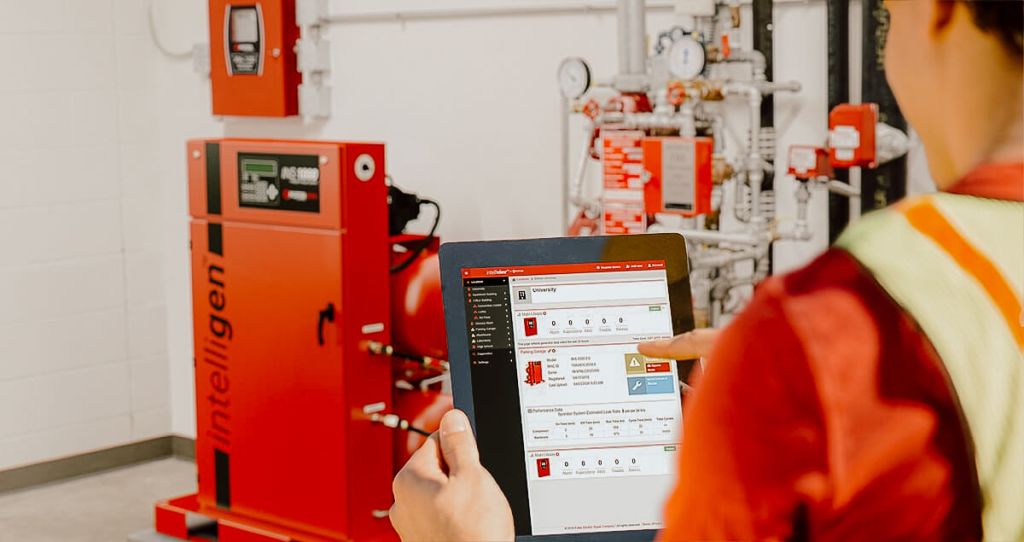
- Connected Sensors: New smoke, heat, and air quality sensors can now communicate data in real time across a building’s network. They send updates to a central dashboard, mobile app, or cloud-based platform. These are just a few examples of IoT applications improving safety.
- Remote System Monitoring: Facility managers gain 24/7 visibility on detection zones, device health, and system status, even while offsite. This is one of the many IoT applications revolutionizing monitoring.
- Granular Alerts: IoT-enabled systems allow for localized alerts—so an incident in one area won’t trigger unnecessary evacuations elsewhere.
Where IoT is Making a Difference
· Real-world IoT adoption is already happening in fire protection: Smart Fire Extinguishers: Some modern extinguishers now feature built-in sensors. These sensors continuously check pressure levels and expiration dates, sending alerts when maintenance is needed.
- Cloud-Connected Alarm Panels: Instead of local alarms, control panels now push notifications to facility managers’ phones or service providers. This ensures quick action if an issue is detected. These are prime examples of IoT applications in action.
- Automated System Health Checks: IoT devices regularly test detectors, batteries, and system readiness. They log compliance data for easier regulatory reporting and inspection. IoT applications clearly enhance these procedures.
Looking Ahead
The next phase of IoT development in fire protection will likely focus on stronger integration with other building systems—HVAC, lighting, security, and emergency communication. As more authorities and insurers recognize the value of digital audit trails, expect wider acceptance of remote inspection logs and predictive maintenance data.
Still, some challenges remain. Privacy and cybersecurity are top priorities, and many jurisdictions require physical inspections for certain compliance procedures. Regulatory standards are gradually adapting, but the move to fully remote or automated compliance will take time. IoT applications face these hurdles as they continue to evolve.
While IoT isn’t replacing the essentials of fire safety, it’s providing valuable backup. It offers facility teams better oversight and faster maintenance cycles. This is a step closer to preventing emergencies rather than simply reacting to them. The industry’s adoption might be gradual, but the benefits of IoT applications are tangible and growing. It sets the stage for a safer, more connected future in fire protection.