







Protecting your building, occupants, and business continuity starts with one of the most critical systems in your facility: your fire sprinkler system. As any NFPA-certified fire protection expert will tell you, ongoing sprinkler system maintenance and timely repair services are not just recommendations—they’re absolute requirements for safety and compliance.
Why Sprinkler System Maintenance Is Non-Negotiable
A single malfunctioning sprinkler head, corroded pipe, or stuck valve can mean the difference between a quickly contained fire and a catastrophic loss. The National Fire Protection Association’s NFPA 25 standard sets the industry benchmark for the inspection, testing, and maintenance of water-based fire protection systems. Compliance isn’t just about avoiding fines—it’s about saving lives and protecting property.
Key Components of a Proactive Maintenance Program
Here’s what a robust sprinkler system maintenance plan—guided by NFPA 25—should always include:
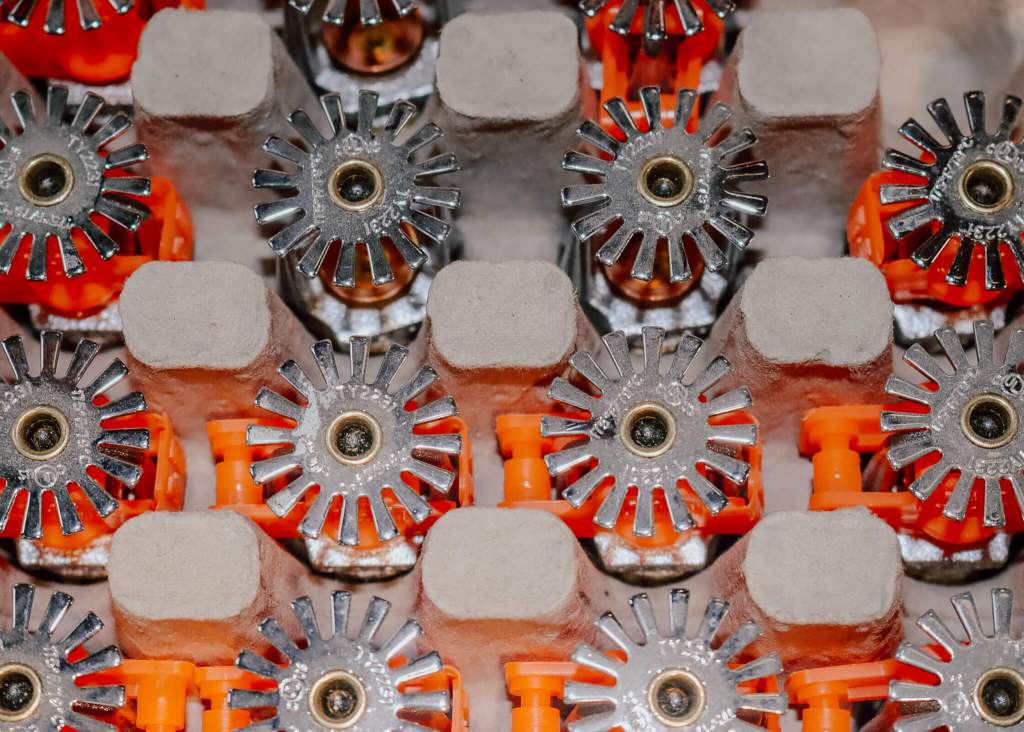
· Sprinkler Head Inspections: Check for blockage, corrosion, paint, or physical damage that could impair activation.
· Valve Testing: Ensure all control, check, and alarm valves are open, accessible, and fully operational.
· Pipe & Fittings Assessment: Look for leaks, corrosion, and mechanical weaknesses in both exposed and concealed piping.
· Water Supply Verification: Test pressure and flow rates regularly to guarantee prompt and adequate response in an emergency.
· Alarm System Checks: Confirm all monitoring and notification devices are functioning to alert emergency responders at the first sign of trouble.
Tip: Document every inspection and test. Accurate records are crucial for code compliance, insurance claims, and ongoing risk management. Common Sprinkler System Repairs — Don’t Wait!
Even the best-maintained systems can develop issues. Addressing these quickly is key to staying protected:
· Corrosion & Scaling: Can block flow, requiring pipe replacements or internal cleaning.
· Leaking Joints & Fittings: Immediate repair preserves system pressure and coverage.
· Malfunctioning Valves: Experts recalibrate or replace to restore system integrity.
· Painted or Damaged Sprinkler Heads: Must be swapped for manufacturer-approved heads to guarantee activation.
· Alarm/Fault Sensor Failures: Speedy repair ensures 24/7 alerting capability.
“Never delay repairs. Every day a system defect goes unresolved is a day your building is at risk,” warns Matthews.
Choosing the Best Sprinkler Repair Services
Not all providers are created equal. Look for companies with:
· Certified NFPA-trained technicians
· Comprehensive service plans, offering scheduled maintenance and 24/7 emergency support
· Expertise in both code compliance and custom system design
· Clear, accessible reports to simplify your audit trail
· Proactive Maintenance = Peace of Mind
Facilities with proactive sprinkler maintenance and repair programs experience:
· Dramatically reduced risk of system failure
· Lower likelihood of catastrophic fire loss
· Streamlined insurance and regulatory audits
· Stronger protection for people, assets, and reputation
Don’t gamble with safety—partner with fire protection experts who make your building’s readiness their top priority.
Frequently Asked Questions
Q: How often should sprinkler systems be inspected?
A: NFPA 25 calls for visual checks as often as weekly, functional valve inspections quarterly, and comprehensive tests annually.
Five-year, ten-year, and longer-term assessments go even deeper, addressing hidden or aging components.