The Future of Fire Protection: IoT Applications

IoT, fire alarm monitoring

For decades, fire protection has relied on manual inspections, conventional detectors, and labor-intensive systems. As the Internet of Things (IoT) emerges in the building and fire safety industry, adopting IoT applications is changing the landscape. While widespread, fully automated integration is still in its early stages, IoT offers practical steps forward. This makes fire safety more connected, efficient, and proactive than ever before. These IoT solutions represent the future of applications in fire safety.

The Evolution from Conventional to Connected

Traditional fire protection methods—such as smoke detectors, heat sensors, and sprinkler systems—still form the backbone of most buildings’ safety strategy. However, these solutions often operate as standalone systems and react to threats only after thresholds are met. They also require frequent manual checks or inspections. With busy schedules and rigorous regulatory demands, this can lead to missed maintenance or delayed responses. IoT applications can help to avoid this, adding a new layer of innovation to traditional systems.

IoT technology, though still relatively new to the industry, changes this equation:

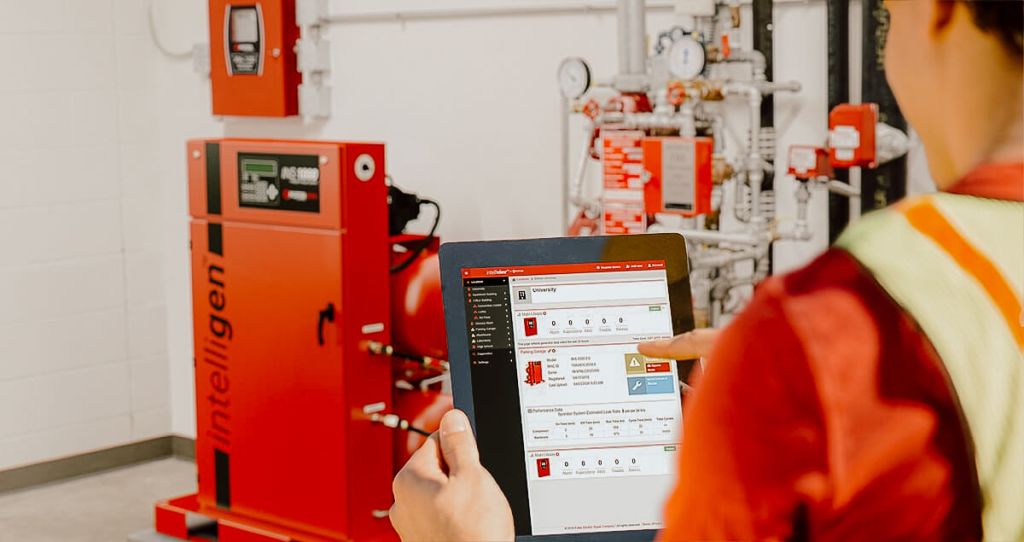
  • Connected Sensors: New smoke, heat, and air quality sensors can now communicate data in real time across a building’s network. They send updates to a central dashboard, mobile app, or cloud-based platform. These are just a few examples of IoT applications improving safety.
  • Remote System Monitoring: Facility managers gain 24/7 visibility on detection zones, device health, and system status, even while offsite. This is one of the many IoT applications revolutionizing monitoring.
  • Granular Alerts: IoT-enabled systems allow for localized alerts—so an incident in one area won’t trigger unnecessary evacuations elsewhere.

Where IoT is Making a Difference

·                     Real-world IoT adoption is already happening in fire protection: Smart Fire Extinguishers: Some modern extinguishers now feature built-in sensors. These sensors continuously check pressure levels and expiration dates, sending alerts when maintenance is needed.

  • Cloud-Connected Alarm Panels: Instead of local alarms, control panels now push notifications to facility managers’ phones or service providers. This ensures quick action if an issue is detected. These are prime examples of IoT applications in action.
  • Automated System Health Checks: IoT devices regularly test detectors, batteries, and system readiness. They log compliance data for easier regulatory reporting and inspection. IoT applications clearly enhance these procedures.

Looking Ahead

The next phase of IoT development in fire protection will likely focus on stronger integration with other building systems—HVAC, lighting, security, and emergency communication. As more authorities and insurers recognize the value of digital audit trails, expect wider acceptance of remote inspection logs and predictive maintenance data.

Still, some challenges remain. Privacy and cybersecurity are top priorities, and many jurisdictions require physical inspections for certain compliance procedures. Regulatory standards are gradually adapting, but the move to fully remote or automated compliance will take time. IoT applications face these hurdles as they continue to evolve.

While IoT isn’t replacing the essentials of fire safety, it’s providing valuable backup. It offers facility teams better oversight and faster maintenance cycles. This is a step closer to preventing emergencies rather than simply reacting to them. The industry’s adoption might be gradual, but the benefits of IoT applications are tangible and growing. It sets the stage for a safer, more connected future in fire protection.

Special Hazard Fire Suppression: A Global Overview

Fire suppression, fire suppression system, inert gas

In today’s diverse fire protection landscape, fire suppression and special hazard systems play a critical role in safeguarding environments where traditional sprinklers and water-based systems fall short. From data centers and power plants to museums and marine applications, these systems deliver precision, speed, and reliability. They suppress fires across specialized environments worldwide.

Exploring Special Hazard Fire Suppression Method

Each special hazard system uses a distinct extinguishing medium designed for specific risks, materials, and operational environments. Selecting the right system depends on the type of asset being protected. It also relies on the nature of potential hazards, and whether suppression must occur in occupied spaces.

Clean Agent Systems

Clean agent systems such as FM-200 and Novec 1230 work quickly to interrupt combustion through heat absorption and chemical reaction suppression. These systems leave no residue, require no cleanup, and are non-conductive. This makes them ideal for data centers, server rooms, medical imaging suites, and museums where sensitive electronics and materials are present. For example, the use of Novec 1230 in global financial data centers ensures fire suppression occurs in under 10 seconds. It protects critical infrastructure without damaging multi-million-dollar equipment.

CO₂ Systems

Carbon dioxide systems suppress fires by displacing oxygen, rapidly suffocating flames within seconds. They are particularly effective in industrial facilities, power generation rooms, and marine vessels. These are places where equipment operates in confined or unoccupied environments. While powerful and residue-free, CO₂ systems are used only where human exposure is limited, as oxygen displacement poses health risks. Many international manufacturing facilities rely on CO₂ to protect conveyor systems and electrical panels. In doing so, they minimize downtime and maintain production continuity.

Aerosol Systems (Stat-X)

Stat-X aerosol systems use condensed aerosol technology to interrupt the chemical chain reaction of a fire. Compact and efficient, these systems offer fast deployment without the need for complex piping. Each Stat-X unit disperses ultra-fine potassium-based particles that absorb heat and halt combustion at a molecular level. Globally, Stat-X is used in mining, transportation, and energy production. It offers a portable and environmentally friendly alternative to traditional gas or foam solutions.

Pre-Action Foam Systems

Foam-based systems remain the backbone of protection for environments dealing with flammable liquids, such as aircraft hangars, refineries, and chemical plants. The foam smothers the fire by forming a barrier that prevents oxygen from reaching the fuel surface. Pre-action systems add a layer of verification through heat or smoke detection before discharge. This reduces false activations. In global aviation facilities, high-expansion foam systems protect jet hangars, saving millions in repair costs after incidents involving jet fuel fires.

Inert Gas Systems

Inert gas systems, such as Inergen or Argonite, use natural gases like nitrogen, argon, and CO₂ to lower oxygen concentration. This action extinguishes flames while remaining safe for people. These systems are extremely effective for occupied control rooms, archives, and telecommunication centers. In these settings, equipment and personnel must remain protected simultaneously. A European model of fire safety regulation now mandates inert gas protection in new cable infrastructure hubs. This is due to its environmental sustainability and safety for human-occupied environments.

Hybrid Systems

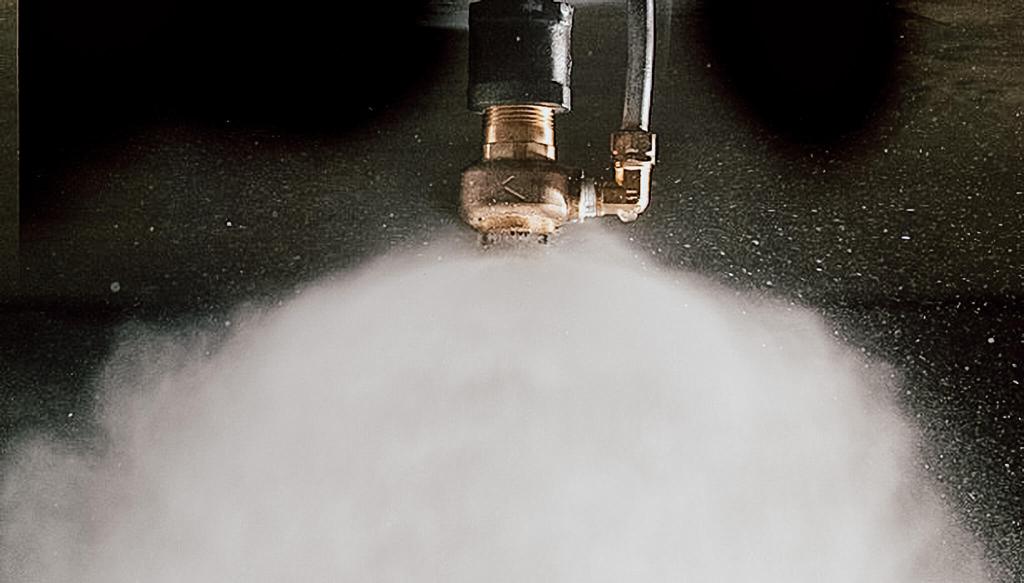
Hybrid suppression systems combine the cooling power of water mist with the oxygen displacement properties of inert gas. This dual-action method provides rapid heat absorption and re-ignition prevention with minimal water damage. As a result, hybrid systems are increasingly installed in telecom facilities, electric utility plants, and pharmaceutical cleanrooms where equipment sensitivity demands both precision and safety. Their adoption is growing globally. This is due to their low environmental footprint and versatile performance in high-risk industrial environments.

The Future of Fire Safety

As industries evolve and environmental standards strengthen, demand for sustainable and adaptive fire suppression continues to rise. Hybrid and special hazard systems represent the next generation of protection. They combine detection intelligence, rapid agent deployment, and eco-conscious extinguishing technologies. Whether through clean agents, hybrid mist systems, or aerosol suppression technology, these systems ensure critical operations remain protected under any condition. They preserve continuity, safety, and confidence across global industries.

Fire Alarm Maintenance: The Blueprint for Safety and Compliance

Fire alarm systems, fire alarm system inspection, fire alarm testing

Fire alarm systems serve as the silent sentinels within our built environments, safeguarding lives, assets, and business continuity against one of the most devastating emergencies: fire. Yet the reliability and efficacy of these systems rest entirely on diligent, expertly executed maintenance routines—a mandate not only for technical compliance but also for cultivating organizational trust and leadership in fire safety.

The Critical Role of Fire Alarm Maintenance
At its core, fire alarm maintenance exists to transform passive technology into proactive life safety infrastructure. Fires can erupt with little warning, and a single malfunction or failure in an alarm’s operation can lead to catastrophic loss of property, productivity, and—most gravely—human life. Routine maintenance thus stands as a legal, ethical, and reputational imperative for any building owner, facility manager, or service contractor.

Well-maintained fire alarms provide several key benefits:

  • Early detection, enabling swift evacuation and emergency response.
  • Prevention of malfunctions and reduction in costly false alarms.
  • Assurance of regulatory compliance, avoiding fines and legal complications.
  • Enhancement of system longevity and return on investment.

Core Elements of Fire Alarm Maintenance
Modern fire alarm systems are compromised of multiple interconnected elements: smoke and heat detectors, control panels, notification devices (audible and visual), HVAC / elevator control, and communication components. Maintenance should be systematic, comprising the following key tasks:

  1. Routine Inspections and Functional Testing
    Monthly inspections: Confirm that alarm panels, detectors, and notification devices are free from damage, debris, or obstructions.
    Testing detectors: Use the system’s test buttons and, where feasible, simulation products to confirm detection accuracy.
    Full system tests: Annually, execute a comprehensive system test, including the control panel, audible alarms, strobes, and notification circuits.
  2. Battery and Power Supply Management
  • Replace backup batteries at least annually or as recommended by the manufacturer.
  • After replacing batteries, verify operational readiness by testing the entire system.
  • Confirm that backup power is available and functioning during each maintenance cycle.
    are comprised of HVAC / Elevator Control
  1. Cleaning and Upkeep
    Gently dust and vacuum detectors with a soft brush attachment every month, as environmental contaminants can degrade performance or trigger false alarms.
    Inspect for secure mounting and unobstructed vents to prevent sensor failure and ensure rapid smoke detection.
  2. Component Repair and Replacement
    Conduct semiannual detailed inspections of wiring, contacts, and hardware, replacing any worn or outdated equipment.
    Upgrade system elements to comply with evolving technology and regulatory standards, ensuring that antiquated components do not undermine system reliability.

Standards and Codes: NFPA 72 and Local Mandates
Regulatory frameworks such as NFPA 72—the National Fire Alarm and Signaling Code—define the frequency, documentation, and scope of fire alarm maintenance tasks for various building environments. Adherence to these standards is non-negotiable:

Local jurisdictions may impose additional requirements, especially for special occupancy buildings, historic facilities, or high-risk environments. Working with certified professionals ensures proper documentation, code compliance, and peace of mind.

The Human Factor: Training and Communication
Technical excellence alone is insufficient; maintenance personnel and occupants must be trained in:

  • Recognizing the sound and meaning of fire alarms.
  • Proper response protocols when alarms activate.
  • Regular fire drills and training sessions reinforce effective emergency response and reduce panic during actual events.

In conclusion, the importance of fire alarm maintenance cannot be overstated. Regular, systematic upkeep transforms fire alarm systems from passive devices into reliable safeguards that protect lives, assets, and business continuity. By adhering to established standards and codes, conducting thorough inspections, and training personnel, organizations ensure that their fire alarms remain primed to respond quickly and effectively in any emergency.

Investing in consistent maintenance is not just a regulatory obligatory, but it is a proactive step toward mitigating risks, preventing costly disruptions, and fostering a culture of safety and trust. Ultimately,
Sprinkler Requirement / Terms, Not Fire Alarm per NFPA-72 – Required testing Intervals are Monthly (Specific type of facilities), Bi-Annual – Water Flow/Tampers / back flow (Sprinkler Monitoring associated Devices), and Annual Complete System test / All field devices

prioritizing fire alarm maintenance secures peace of mind for building occupants and stakeholders, affirming the organization’s lasting commitment to safety and compliance.

Why Professional Testing of Fire Systems Is Essential

Fire system inspections, fire inspections, fire testing

Fire system inspections, fire inspections, fire testing

Why Professional Testing of Fire Systems Is Essential

Safety You Can Trust


Fire systems are only as reliable as their last test. From alarms and sprinklers to suppression systems and monitoring equipment, these components are designed to work together to protect lives and property. But if they aren’t tested — or aren’t tested correctly — the results can be catastrophic.

Professional testing of fire systems isn’t just a code requirement. It’s the difference between a system that performs in an emergency and one that leaves your building and people vulnerable.

The Risks of Skipping or Cutting Corners

When facilities neglect professional testing or rely on unqualified providers, the risks multiply:

· Undetected Failures: Even small issues – like a faulty relay switch or inoperable detector – can prevent a system from operating as intended, resulting in more extensive damages and risk.

· Compliance Violations: Codes like NFPA 72, NFPA 25, and local AHJ requirements mandate routine testing to ensure system functionality. Non-compliance can result in fines, failed inspections, or even forced shutdowns.

·Increased Liability & Spending: In the event of a fire, incomplete records or non-compliant testing can expose owners/building representatives to legal risk, higher insurance costs, and insurance non-renewals.

Why Professional Testing Matters

1. Comprehensive System Knowledge: Certified technicians understand the integration between fire alarm, fire sprinkler, and fire suppression systems – minimizing room for error while testing.

2. Early Deficiency Detection: Professional testing finds small issues before they become big failures – saving time, money, and lives.

3. Documentation and Reporting: Accurate records of each test keep you compliant and off of your local AHJ’s radar. Compliance audits and reviews are only challenging when the proper reports are not in place.

4. Peace of Mind: Knowing your systems are tested and ready for action provides confidence for building owners, management staff, and the people they protect on a daily basis.

Guardian’s Expertise in Fire System Testing

At Guardian, we don’t just test your systems — we certify your safety. Here’s how we ensure reliability and compliance:

· Certified Technicians trained in NFPA, local, and state codes.

· Bundled Testing Services that cover alarms, sprinklers, suppression, and monitoring during a single visit.

· Proprietary Inspection Platform that gives you access to reports, upcoming tests, and deficiency tracking in one place.

· Dedicated Account Management for proactive planning and streamlined communication.

· 24/7 Emergency Support to respond if an issue is detected

Real-World Impact

One regional distribution center thought their systems were up to date — until Guardian’s comprehensive testing revealed multiple integration issues between their alarm panels and suppression system. Within two weeks, the deficiencies were resolved, and the facility passed a full audit from their insurance provider.

The Bottom Line

Fire systems are only effective if they’re tested, maintained, and documented by professionals. Partnering with an experienced provider ensures your systems work when you need them most, keeps you compliant, and protects your most valuable assets: your people and your business.

True Cost of Fire Safety: The Risks of Cutting Inspections

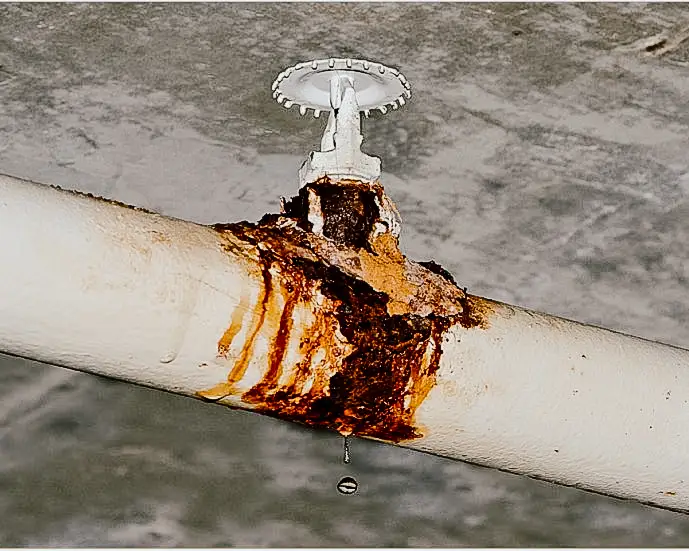
Leaking Fire Sprinkler, Fire Inspection

Leaking Fire Sprinkler, Fire Inspection

The True Cost of Fire Protection: Cutting Corners on Inspections Is Risky Business

Introduction: Safety Isn’t a Shortcut

When it comes to fire protection, many building owners and facility managers see inspections as just another line item on their budget. It’s tempting to look for ways to cut costs — whether that means skipping annual inspections, going with the lowest bidder, or relying on outdated systems.

But here’s the truth: cutting corners on fire protection is risky business. It can lead to higher costs, dangerous compliance gaps, and, worst of all, unsafe conditions for the people and property you’re responsible for protecting.

The Real Cost of “Cheap” Inspections

Going with the lowest price often feels like a win in the short term. But that savings can quickly disappear when things go wrong. Here’s what we see most often:

· Missed Deficiencies = Major Failures Quick or incomplete inspections often miss critical system deficiencies — issues that could prevent sprinklers, alarms, or extinguishers from working in an emergency.

· Failed Compliance & Fines Authorities Having Jurisdiction (AHJs) don’t take shortcuts lightly. Non-compliance can lead to expensive fines, forced shutdowns, or even liability in the event of a fire.

· Increased Long-Term Costs Small maintenance issues caught early are cheap to fix. But left undetected, they can escalate into expensive repairs, replacements, or even system overhauls.

The Value of Doing It Right

Investing in quality inspections isn’t just about compliance — it’s about protecting your people, your property, and your bottom line.

Here’s what a comprehensive inspection delivers:

· Early detection of issues → Reduces repair costs and downtime.

· Accurate reporting → Ensures you stay compliant with NFPA 25 and local codes.

· Peace of mind → Confidence that systems will perform when you need them most.

Guardian’s Approach: Quality Over Shortcuts

At Guardian, we don’t just check a box — we deliver inspections that give you actionable insight and a seamless customer experience.

Here’s what sets us apart:

· Certified Technicians – Every inspection is performed by professionals who understand local and national codes, ensuring accuracy and compliance.

· Dedicated Account Management – You’ll have a single point of contact who understands your business, tracks your portfolio, and helps you plan ahead to minimize surprises.

· Proprietary Inspection Platform – Through our custom customer portal, you gain real-time access to:

o Open work orders and their status

o Outstanding deficiencies with actionable recommendations

o Upcoming inspections to keep you ahead of compliance deadlines

· Proactive Communication – We don’t just identify issues — we partner with you to resolve them before they become emergencies.

With Guardian, you’re not just investing in an inspection — you’re investing in visibility, reliability, and peace of mind.

Real-World Example

One national retail chain came to us after years of “budget inspections” left their portfolio full of unreported deficiencies. The result? Multiple system failures, expensive emergency repairs, and even a failed AHJ audit.

After switching to Guardian:

· Deficiency tracking went digital and transparent.

· Compliance scores improved across every location.

· Emergency repair costs dropped by 40% in the first year.

The Bottom Line

Saving a few dollars upfront can cost thousands — even millions — down the road. Quality inspections are not an expense to cut, but an investment in safety, compliance, and operational continuity.

10 Essential Fire Protection Questions for Facility Managers

Fire alarm monitoring, fire protection consulting

Fire alarm monitoring, fire protection consulting

10 Questions Facility Managers Should Ask Their Fire Protection Provider

Introduction: Why Asking the Right Questions Matters

Fire protection isn’t just about passing inspections — it’s about protecting lives, property, and business continuity. Yet, not all fire protection providers are created equal. Some only check the bare minimum boxes, while others take a proactive, partnership-driven approach to safety and compliance.

Whether you manage a single site or a national portfolio, asking the right questions ensures you’re getting the quality, transparency, and reliability you need.

Here are 10 questions every facility manager should be asking their fire protection provider.

1. How do you ensure compliance with national and local codes?

Between NFPA standards, local Authority Having Jurisdiction (AHJ) rules, and state-level regulations, compliance can be complex. For example, in California, Title 19 adds specific requirements for forms and reporting. A quality provider should explain how they stay up to date in every jurisdiction where you operate.

2. Are your technicians certified and trained to handle my systems?

Sprinklers, alarms, extinguishers, and special hazard systems all require different certifications and expertise. Confirm your provider uses licensed, trained technicians who understand both your equipment and the codes in your area.

3. How do you report deficiencies and track follow-up work?

Missed deficiencies put your building at risk and lead to costly surprises. Ask if your provider offers digital deficiency tracking with clear timelines and documentation to resolve issues quickly.

4. Can I access inspection reports and history online?

Paper binders aren’t enough for modern facility management. Look for a provider with a customer portal that gives you access to:

· Open work orders

· Outstanding deficiencies

· Upcoming inspection schedules

5. How do you help prepare for AHJ visits or audits?

When inspectors or auditors visit, you want to feel confident. The right partner will help you stay organized with clear records and guidance to meet every requirement.

6. Do you offer bundled services?

Bundling services — such as sprinklers, alarms, extinguishers, and backflow inspections — can save time, reduce costs, and simplify vendor management by consolidating everything under one roof.

7. What’s your response time for emergencies?

Fires and system failures don’t happen on a schedule. Make sure your provider offers 24/7 emergency support with clear escalation procedures and rapid response times.

8. How do you communicate about upcoming inspections and maintenance?

Proactive scheduling and reminders keep you ahead of deadlines and reduce risk. Ask whether your provider offers tailored schedules and clear communication about upcoming requirements.

9. Can you support multi-site or national operations?

If you manage multiple properties, a provider with national reach ensures consistent service, centralized reporting, and a single point of contact — while still delivering the local expertise each site requires.

10. How do you help plan for long-term reliability?

Fire protection isn’t just about today — it’s about system performance over decades. A forward-thinking provider will help you budget for upgrades, replacements, and lifecycle planning to avoid costly surprises.

The Differences Between Fire Classes

Fire protection, fire classes

Understanding fire classes is crucial for selecting the right extinguisher and response method. Fires are categorized by fuel type—common combustibles (Class A), flammable liquids (Class B), electrical equipment (Class C), combustible metals (Class D), and cooking oils/grease (Class K). Each requires specific suppression techniques to ensure safety and effectiveness. This knowledge helps businesses and safety professionals prepare properly and comply with regulations.

Continue reading

Benefits of a Fire Systems Engineer in Safety Planning

fire sprinkler design, fire sprinkler system design, fire sprinkler designer

When planning fire safety systems, engaging a fire systems engineer is a strategic move that delivers measurable value from project inception to ongoing building operations. Fire systems engineers offer deep expertise in fire science, building codes, and modern safety technologies, enabling tailored solutions that not only meet rigorous compliance standards but also optimize safety for occupants and assets. Their involvement ensures a proactive approach—identifying risks, designing robust fire detection and suppression systems, and coordinating seamlessly with architects and contractors to address code challenges and reduce costs without sacrificing safety or functionality. By partnering with a specialized fire systems engineer, property owners and developers benefit from streamlined approvals, minimized project delays, and a long-term commitment to operational resilience and peace of mind.

Continue reading