






Fire Protection for Restaurants
Restaurants require specialized fire protection to manage the unique risks of high heat, open flames, and grease-laden vapors.
Layered defense strategies combine UL 300 hood suppression, automatic sprinklers, and Class K extinguishers to secure cooking lines.
Strict adherence to NFPA 96 standards and regular grease management ensures containment and prevents exhaust system ignition.
Comprehensive staff training and emergency protocols create a resilient safety culture, minimizing downtime and protecting lives.
Fire protection planning for restaurants requires tailored safety solutions to manage the intense risks found in commercial kitchens. Services include UL 300-compliant hood suppression systems, automatic sprinklers, and specialized portable extinguishers designed to combat grease fires. These measures ensure compliance with strict safety codes and protect both back-of-house staff and dining guests.
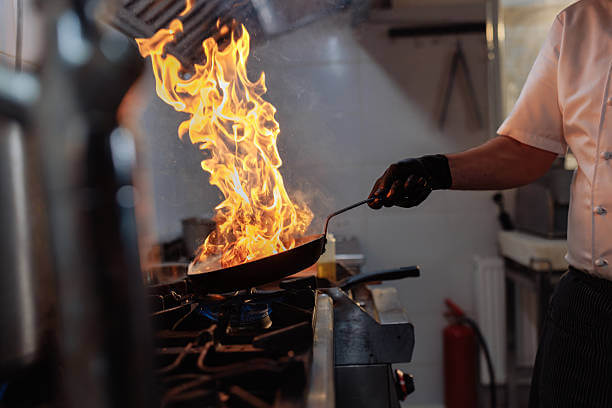
Commercial kitchens are high-intensity environments defined by continuous cooking operations, open flames, and the accumulation of grease-laden vapors. From quick-service counters to large banquet facilities, the layout and appliance mix—ranging from deep fryers to solid-fuel ovens—dictate the fire protection strategy. Effective safety in these settings relies on a layered defense approach. This centers on wet chemical hood suppression systems that rapidly knock down appliance fires and prevent reflash, supported by automatic fuel and power shutoff interlocks. These targeted systems work in tandem with building-wide automatic sprinklers to prevent fire spread, safeguarding the structure and the dining experience.
Long-term safety and operational continuity depend heavily on compliance and the human element. Adhering to standards such as NFPA 96 requires rigorous maintenance, including regular hood and duct cleaning to remove hazardous grease buildup and inspections of fire-rated shaft enclosures. Equally critical is employee readiness; kitchen staff must be trained to recognize hazards, properly utilize Class K extinguishers, and understand manual activation procedures for suppression systems. By integrating advanced suppression technology with consistent maintenance and a knowledgeable team, restaurants can ensure a swift, coordinated response to emergencies and protect their business viability.