









Fire Protection for Manufacturing
Fire protection in manufacturing requires customized solutions based on facility hazards, including machinery, flammable materials, and complex layouts.
Comprehensive strategies combine active suppression systems (sprinklers, foam, gas agents) and passive measures (fire barriers, smoke control) for layered defense.
Regular hazard analysis, equipment inspections, and compliance with NFPA standards help minimize risks and costly downtime.
Employee safety training, emergency drills, and clear protocols create a proactive fire safety culture that protects both assets and lives.
Fire protection in manufacturing environments demands a tailored approach that addresses both operational hazards and facility complexity. From automated assembly lines to chemical processing areas, every component of a manufacturing plant introduces unique fire risks. Proper system design begins with a comprehensive fire hazard analysis, evaluating ignition sources, combustible materials, and process flow. This data-driven assessment ensures that suppression and detection systems are strategically placed to minimize potential damage and provide rapid response in critical zones.
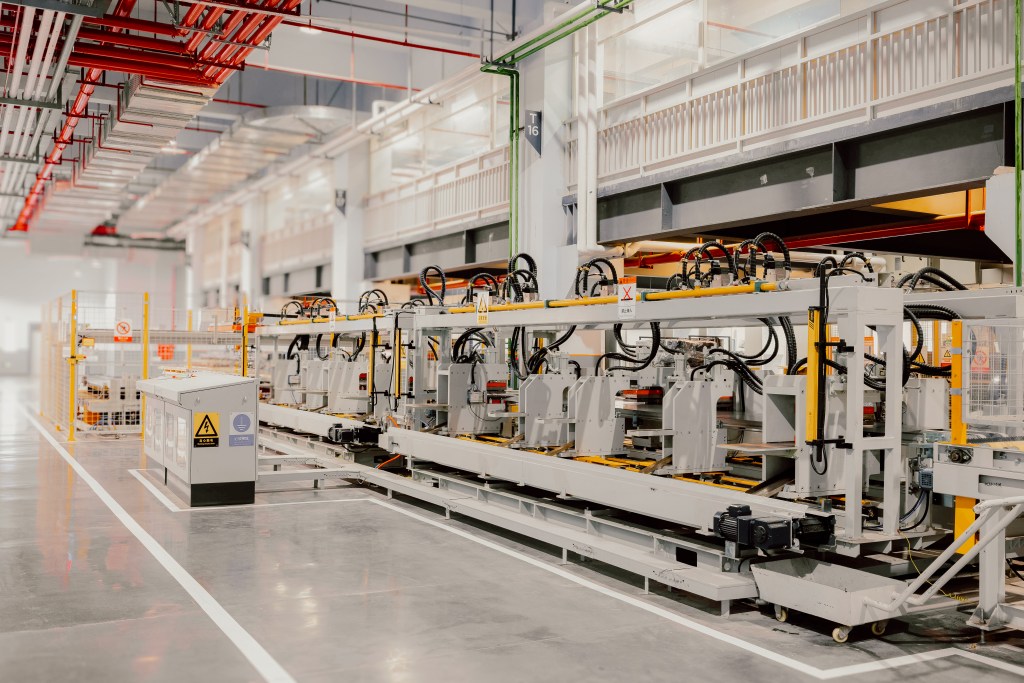
Industrial facilities face risks from machinery, flammable materials, and complex layouts. Solutions include comprehensive suppression systems, hazard analysis, and employee fire safety training to prevent costly downtime and safeguard assets.
A robust fire protection strategy integrates both active and passive systems to ensure layered defense. Active systems such as sprinklers, foam suppression, and gaseous agents must align with the specific hazards present—whether protecting flammable liquid storage or high-value electrical equipment. Passive measures, including fire-rated barriers, smoke control systems, and compartmentalization, prevent the spread of flames and protect evacuation routes. Together, these measures preserve productivity, protect expensive machinery, and help organizations maintain compliance with NFPA standards and insurance requirements.
Equally important is the human component of fire prevention in manufacturing. Employee fire safety training, emergency response drills, and clear communication protocols are essential for reducing risk and ensuring swift action during incidents. Workers are trained to identify hazards, follow lockout/tagout procedures, and use extinguishers effectively to serve as the first line of defense. When combined with modern detection technologies and a proactive maintenance program, a culture of fire safety becomes ingrained within the facility—protecting not just assets but lives and long-term operational integrity.