








Fire Protection for Healthcare
Healthcare centers require uninterrupted, code-compliant fire protection that accounts for patient care, sensitive equipment, and around-the-clock operations.
Clean agent suppression systems, pre-action sprinklers, and rapid-response alarms safeguard critical areas without disrupting medical services.
Routine inspections, testing, and maintenance ensure compliance with NFPA standards and accreditation requirements.
Staff training, coordinated drills, and collaboration with emergency responders strengthen safety awareness and emergency readiness across healthcare facilities.
Fire protection in medical centers is uniquely critical due to the constant occupancy of patients, the presence of life-support equipment, and the complex nature of healthcare operations. Hospitals, surgical suites, and outpatient clinics require fire safety systems that protect life and property without disrupting essential medical activities. A thorough fire protection strategy begins with a complete risk assessment that considers patient mobility, specialized equipment, and the 24/7 nature of care delivery. Compliance with NFPA 99 and NFPA 101 Life Safety Code forms the foundation for a safe, code-compliant healthcare environment.
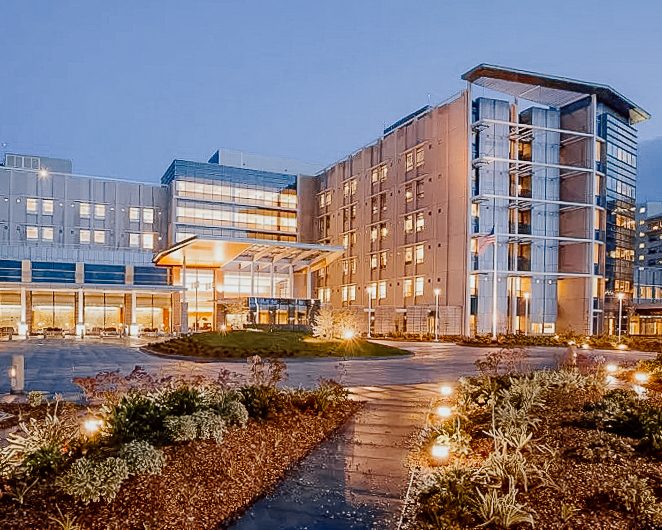
Hospitals and clinics demand uninterrupted fire protection to safeguard patients, staff, and vital equipment. Solutions include clean agent suppression, rapid-response alarms, and scheduled system inspections for code compliance in sensitive settings.
In these sensitive settings, advanced fire suppression and alarm technologies are carefully engineered to minimize risk and downtime. Clean agent suppression systems and pre-action sprinklers are often used to safeguard areas with medical imaging machines, data centers, and electrical control rooms where water could cause secondary damage. Rapid-response fire alarm systems with voice evacuation ensure clear communication during emergencies while isolating affected zones. Regular inspection, testing, and maintenance of these systems are critical for meeting accreditation standards and ensuring continuous readiness in a facility where evacuation can be complex.
When developing fire protection plans for medical centers, equally vital is the coordination between facility management, staff, and responding fire personnel. Ongoing fire safety training teaches medical staff how to respond efficiently while maintaining patient care priorities. Coordinated drills and scenario-based exercises reinforce proper evacuation procedures, use of fire extinguishers, and communication protocols. By integrating cutting-edge fire protection systems with trained personnel and continuous oversight, healthcare facilities can maintain both operational continuity and the safety of all building occupants.