









Fire Protection for Automotive
Automotive facilities face complex fire risks from flammable liquids, electrical systems, and high-heat operations, requiring detailed risk assessments and tailored safety solutions.
Specialized suppression systems—wet chemical, foam, and clean agents—safeguard high-risk areas like service bays, paint shops, and battery charging stations.
Integrated fire alarms, detection sensors, scheduled maintenance, and proper ventilation maintain safety, prevent ignition, and ensure regulatory compliance.
Ongoing employee training, frequent fire drills, and clear emergency planning strengthen preparedness and minimize liability while protecting staff and property.
Automotive fire protection presents distinct challenges due to the combination of flammable liquids, electrical systems, and high-temperature operations. Auto repair shops, manufacturing facilities, and dealerships must address fire hazards that stem from fuel handling, spray paint operations, battery charging areas, and vehicle maintenance bays. Effective protection begins with a thorough fire risk assessment that identifies ignition sources and evaluates how materials are stored, transferred, and disposed of. By understanding these specific risks, property owners can implement tailored systems that protect employees, inventory, and the facility itself.
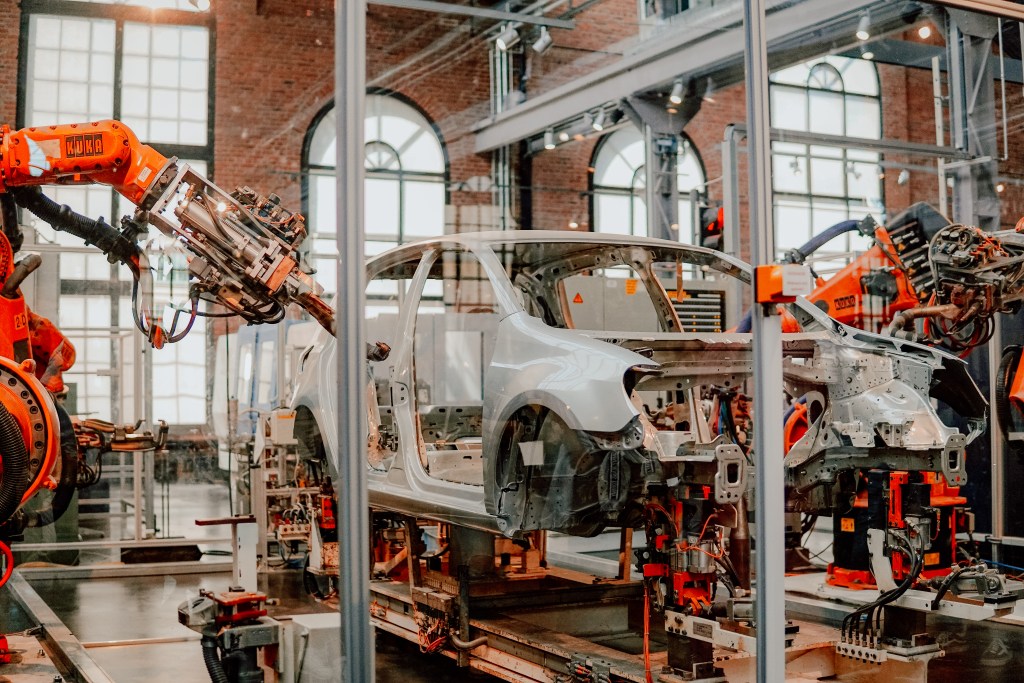
Auto shops and dealerships require solutions for high-risk areas involving flammable fluids and electrical hazards. Services range from targeted suppression system design to frequent fire risk assessments and emergency planning.
Specialized suppression systems play a key role in mitigating automotive fire hazards. For service bays and storage areas, wet chemical or foam-based systems provide rapid suppression of grease and fuel fires. Electrical hazards associated with diagnostic tools and charging equipment for hybrid or electric vehicles require clean agent systems that extinguish flames without damaging sensitive electronics.
Integrated fire alarms and detection systems with flame, heat, and smoke sensors deliver early warnings, while proper ventilation and explosion-proof lighting further reduce the likelihood of ignition. Scheduled inspection and maintenance ensure that every system remains in peak operating condition and compliant with applicable standards required for automotive fire protection.
Preparedness and training are equally critical to an effective fire protection program. Employees should receive routine instruction on handling flammable substances, proper use of extinguishers, and emergency procedures for both occupied and unoccupied hours. Establishing detailed evacuation plans and conducting periodic fire drills reinforce readiness and minimize response time if an incident occurs. When paired with ongoing risk assessments and proactive maintenance, these measures help automotive facilities maintain continuous operations, reduce liability exposure, and safeguard both personnel and valuable assets and provides superior automotive fire protection.