











BDA/ERRCS (Bi-Directional Amplifiers)

Uninterrupted Emergency Communication That Protects Lives
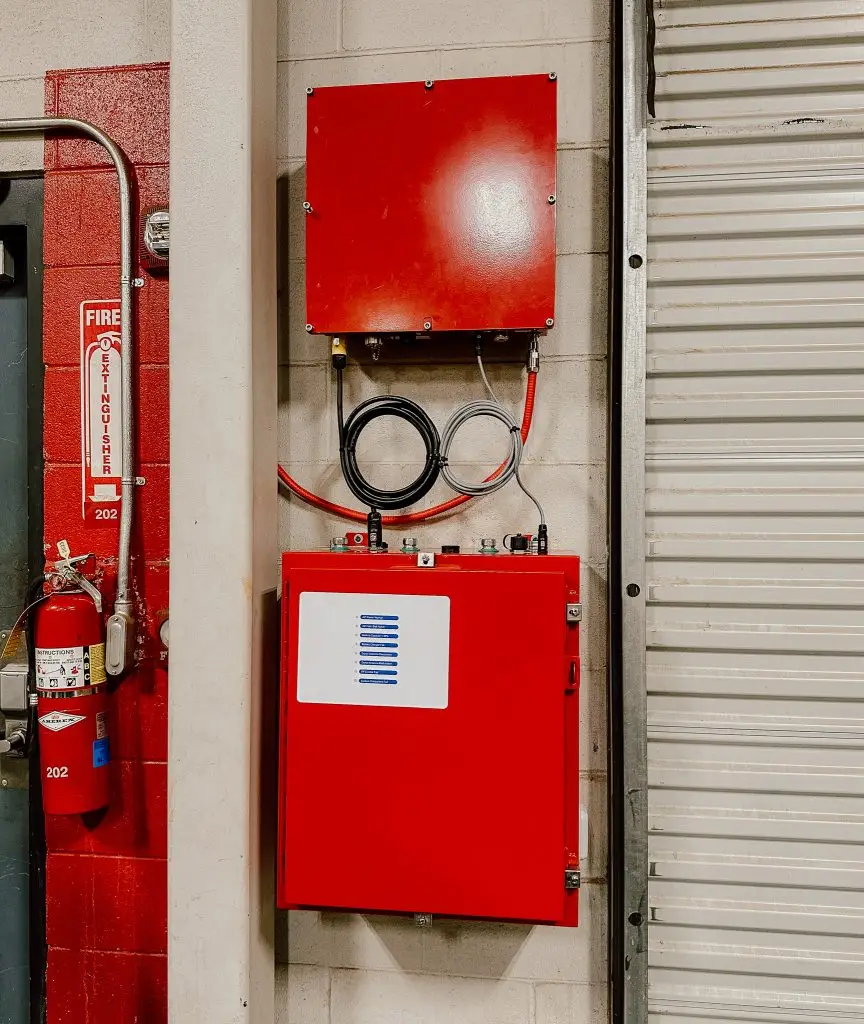
Effective BDA/ERRCS systems are critical for first responders inside buildings during emergencies. Guardian installs BDA and ERRCS systems that strengthen signal coverage throughout large or obstructed structures, ensuring your facility meets local fire code and enhances life safety during critical situations.
Our BDA solutions include:
- Signal testing and site assessment
- Installation of amplifiers and distributed antennas
- Post-installation certification and AHJ compliance
- Ongoing maintenance
Why Choose Guardian for BDA / ERRCS Services?
Here are Some of The Reasons You Can Trust Guardian Fire Services
• We ensure code-compliant radio coverage (typically 95% or better overall and 100% in critical areas) so first responders have clear, reliable communications in stairs, shafts, basements, fire command centers, and other key spaces.
• We use properly engineered ERRCS/BDA architecture based on RF surveys and grid testing to eliminate dead zones without causing interference.
• We provide survivability and power reliability with 2‑hour–rated pathways where required, lightning/surge protection, and battery or generator backup so the system remains operational throughout a fire or extended outage.
• We integrate ERCES monitoring with the fire alarm system so loss of power, amplifier faults, or channel failures generate supervisory/trouble signals and can be addressed quickly.
• We maintain ongoing compliance through AHJ‑approved design, acceptance/grid testing, annual RF and battery testing, and thorough documentation, since buildings that do not meet minimum signal strength criteria are typically required to install or upgrade ERRCS/BDA systems.
That’s why so many organizations rely on Guardian Fire Services for BDA and ERRCS.
Enabling Quicker Evacuations and Response Efforts
Ensures Reliable Emergency Communication: BDAs amplify radio signals inside buildings, eliminating dead zones caused by metal, concrete, or structural obstacles. This ensures first responders can communicate seamlessly during critical emergencies, enhancing safety and coordination.
Supports First Responder Safety and Efficiency: By maintaining strong, clear two-way radio coverage throughout all building areas—including stairwells, tunnels, and basements, BDAs enable faster, safer emergency response, reducing risks to personnel and occupants.
Regulatory Code Compliance: Installation of BDA systems helps buildings meet mandatory fire and safety codes (e.g., IBC, NFPA) that require 100% radio coverage for emergency responders, helping avoid legal penalties and ensuring insurance eligibility.
Continuous Operation in Challenging Environments: BDAs maintain effective radio signal strength even in complicated or large structures such as hospitals, airports, parking garages, high-rises, and schools—buildings where signal penetration is commonly impaired.
Peace of Mind and Business Continuity: With enhanced in-building communication, building owners and occupants have confidence that emergency personnel can communicate reliably, enabling quicker evacuations and response efforts that protect lives, property, and operational resilience.
Commonly Asked Questions About BDA/ERRCS
When is a BDA system required?
Will this affect my Wi-Fi or mobile signals?
It depends on the hazards in your building. We help you choose the correct class and quantity for full compliance.
Who verifies the signal strength?
How does a BDA system improve radio signal coverage for first responders inside a building?
A BDA system improves radio signal coverage for first responders inside a building by amplifying and redistributing weak or blocked radio frequency signals both to and from radios, filling dead zones and ensuring clear, reliable two-way communication throughout the building, including difficult areas like stairwells, parking garages, and concrete or metal-constructed spaces
What are common challenges in installing BDAs in existing buildings versus new construction?
Common challenges in installing BDAs in existing buildings versus new construction are: signal obstructions, complex layouts, retrofitting constraints.
Service Considerations
- You need a BDA/ERRCS system when fire, EMS, or police radios don’t work reliably inside your building—testing shows weak spots, especially in stairs, elevators, basements, and command rooms.
- Modern codes (based on NFPA 1225 and IFC/IBC) require a properly engineered radio system—donor antenna, amplifiers, cabling, and indoor antennas—so first responders get strong signals inside without creating interference.
- In many buildings, these systems must stay alive during a fire or outage, which means rated cable pathways, surge protection, and backup power (batteries or generator).
- BDA/ERRCS is usually tied into the fire alarm so any fault, power loss, or channel problem shows up as a supervisory/trouble signal just like other life‑safety issues.
- After installation, you must pass grid (coverage) testing, get AHJ (Authority Having Jurisdiction) sign‑off, and perform periodic RF and battery tests with records; if your building fails coverage tests, the AHJ will typically require installing or upgrading BDA/ERRCS to stay compliant.
NOT ALL SERVICES ARE AVAILABLE IN ALL AREAS
Got More Questions?